Maintaining a home or business involves numerous responsibilities, one of which is often overlooked until it becomes a pressing issue: plumbing maintenance. Understanding the hidden costs associated with neglecting this vital aspect can save property owners significant amounts of time, money, and stress. While many may view plumbing maintenance as an unnecessary expense, the reality is that proactive care prevents far more costly problems down the line.
The Importance of Regular Plumbing Maintenance
Regular plumbing maintenance encompasses a range of tasks designed to ensure that your plumbing system operates efficiently and effectively. This includes inspections, cleaning, repairs, and installations as needed. A well-maintained plumbing system not only enhances water quality but also increases the lifespan of pipes and fixtures.
Neglecting plumbing maintenance can lead to visible issues such as leaks and clogs, but these problems are often just the https://www.tiktok.com/@thepleasantplumbermn/photo/7574102115463810322 tip of the iceberg. Underneath the surface lies a complex network of pipes that can develop issues over time, often without any noticeable signs until significant damage occurs. For instance, small leaks can lead to severe water damage in walls or foundations if left unattended.
Common Plumbing Issues Arising From Neglect
The types of plumbing issues that arise from neglect can vary widely, but several common problems frequently emerge as a result:
Leaky Pipes: Over time, old pipes can corrode or develop weak spots. A minor leak might seem manageable initially but can escalate into major water damage.
Clogged Drains: Regular use leads to buildup in drains from hair, grease, soap residue, and food particles. Without routine cleaning, clogs can become severe enough to require emergency intervention.
Water Heater Failures: A water heater that is not regularly serviced may experience sediment buildup that reduces efficiency or causes complete failure.
Sewer Backups: Neglected sewer lines may become blocked by tree roots or debris over time, leading to sewage backups that are both unpleasant and expensive to fix.
Decreased Water Quality: Without regular checks for contaminants or pipeline integrity issues, homeowners may unknowingly expose themselves to unsafe drinking water.
These examples illustrate how seemingly minor neglect can snowball into substantial costs and headaches.
The Financial Implications of Neglected Plumbing
When discussing costs associated with plumbing neglect, it's essential to consider both direct expenses—those related to repairs—and indirect costs such as increased utility bills due to inefficiency.
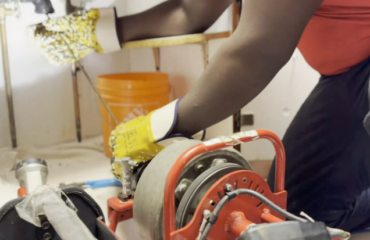
Repair Costs
Repair costs can vary significantly depending on the severity of the issue at hand. A single leaky pipe might cost a few hundred dollars to repair; however, if that leak has led to mold growth or structural damage in your home, repair bills could spiral into thousands. For example:
- Minor leaks might incur repair costs ranging from $150 to $500. Major sewer line repairs could run anywhere from $1,500 to $5,000 depending on accessibility and extent of damage. Complete water heater replacements typically range between $800 and $3,000 depending on the model.
In contrast, regular maintenance services usually cost significantly less than emergency repairs—often ranging from $100 to $300 annually for routine inspections and preventive measures.
Increased Utility Bills
Another financial implication arises through inflated utility bills linked with inefficient systems. For instance:
- A dripping faucet wastes approximately 3 gallons of water per day; over a year this amounts to about 1,095 gallons—leading directly to higher water bills. Inefficient toilets or older fixtures consume more water than newer models designed with conservation in mind. Upgrading these fixtures during routine maintenance can lead to savings on future bills.
Over time, these increased utility costs add up significantly and often outweigh the expense incurred by regular maintenance.
Real-Life Examples Highlighting Hidden Costs
To better illustrate these points, let’s look at some real-life scenarios where neglecting plumbing maintenance led homeowners down financially taxing paths.
One Minneapolis homeowner faced persistent low water pressure throughout their house but chose not to investigate further due to perceived high costs involved in hiring a professional plumber for troubleshooting. After months of putting off service calls—believing they could manage it themselves—their situation escalated when they discovered a burst pipe behind their kitchen wall caused by years of mineral buildup creating pressure imbalances leading up to failure. The total repair bill came close to $4,000 after factoring in damages caused by resulting flooding—a stark contrast compared with what preventative measures would have cost initially.
Another case involved commercial property management in downtown Minneapolis; they opted for minimal external inspections believing their properties were structurally sound enough without intervention until several tenants reported sewage odors emanating from bathrooms. Upon inspection by professional plumbing services—a necessary step taken much too late—they found extensive root intrusions blocking sewer lines leading necessitating costly excavation work totaling over $10,000—an expense that could have been avoided had they conducted annual preventative checks earlier on.
These examples reveal how quickly small oversights can morph into large-scale financial burdens affecting both residential homes and commercial properties alike.
How To Implement An Effective Maintenance Plan
The best way forward is clear: implementing an effective plumbing maintenance plan ensures potential issues are caught early before they wreak havoc on your finances or property value. Here are some key steps:
- Schedule Annual Inspections: Engage professional plumbers for comprehensive system evaluations each year covering everything from pipes' health status through checking all appliances connected within your network—this could catch emerging problems before they escalate. Monitor Water Usage: Keep an eye on monthly utility bills; if there are dramatic increases without explanation—this could signal leaks needing immediate attention. Invest In Preventative Technologies: Smart home devices monitor usage patterns allowing early detection alerts should unusual flows occur indicating possible leaks developing somewhere unnoticed previously. Educate All Household Members About Usage Best Practices: Simple actions like avoiding flushing inappropriate materials down toilets help mitigate wear-and-tear effects contributing towards longevity alongside lower ongoing operational expenses overall!
By prioritizing such initiatives consistently over time rather than waiting until disaster strikes will ultimately yield peace-of-mind while protecting investments made within homes whether residentially focused areas across Minneapolis MN or commercial properties benefiting equally alike!
Finding Professional Help
When seeking assistance with plumbing repair services in Minneapolis MN specifically tailored for either residential needs or commercial properties alike understanding who you’re bringing into your space matters greatly! Look for licensed professionals offering transparent pricing structures along detailed explanations outlining processes undertaken throughout projects ensuring no surprises arise afterward once work commences!
Accurate assessments allow for informed decisions moving forward empowering you with confidence knowing you’ve selected trustworthy experts capable delivering high-quality results expected regardless scale project undertaken whether simple fixes required addressing minor leaks right through larger systemic overhaul scenarios needing tackled head-on!
Regular maintenance isn’t merely an expense—it’s an investment in your property’s longevity and functionality which pays dividends long-term! Being proactive today means safeguarding against bigger headaches tomorrow; let preventative care guide you towards maintaining peace-of-mind knowing everything flows smoothly beneath surface!